


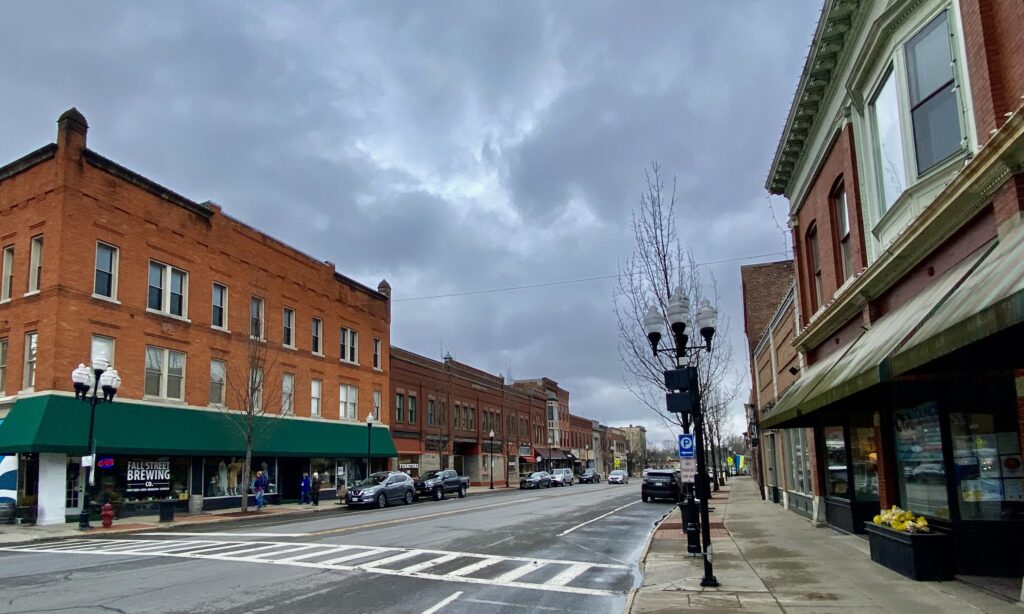
Two of the Finger Lakes region’s most appealing communities sit just 10 miles apart on Routes 5 & 20, yet they offer distinctly different living experiences. If you’re deciding where to buy a home in this part of Upstate New York, understanding the real differences between Seneca Falls and Geneva will help you choose the community that best matches your lifestyle, budget, and long-term goals.
This comprehensive comparison examines every factor that matters to homebuyers: housing costs, property taxes, schools, downtown amenities, lake access, employment opportunities, and those intangible qualities that make a place feel like home. By the end, you’ll have a clear picture of which community aligns with your priorities.
Quick Comparison Overview
| Factor | Seneca Falls | Geneva |
| Population | ~6,900 | ~13,000 |
| Median Home Price | $175,000 | $200,000 |
| Property Tax Rate | ~2.53% | ~3.36% (city) |
| Days on Market | 12-15 days | 18-33 days |
| Primary Waterfront | Canal + Cayuga Lake nearby | Direct Seneca Lake |
| Downtown Character | Small, historic, charming | Larger, walkable, vibrant |
| College Presence | Northeast College (small) | HWS Colleges (significant) |
| Overall Atmosphere | Quiet, family-focused, historic | Lively, food/wine culture |
Housing Market Comparison
Both communities offer affordable housing compared to national averages, but meaningful differences exist in pricing, inventory, and market dynamics.
Seneca Falls Housing Market
With a median home price around $175,000, Seneca Falls offers the lower entry point. This $25,000 difference from Geneva’s median represents real savings—that’s money for renovations, furnishings, or simply a smaller mortgage payment each month.
The Seneca Falls market moves quickly. With only 20-25 homes typically available at any time, well-priced properties sell in 12-15 days on average. This limited inventory creates competition among buyers but also reflects a stable community where residents stay long-term.
Housing stock in Seneca Falls skews older—approximately 44% of homes were built before 1939. These historic properties offer character, craftsmanship, and architectural details you won’t find in modern construction. However, they may also need updates to electrical, plumbing, insulation, and other systems.
Geneva Housing Market
Geneva’s median home price of approximately $200,000 reflects its larger size, lake access, and more diverse housing options. Browse Geneva listings to see the variety available—from downtown Victorians to lakefront estates to suburban family homes.
With 45-60 active listings typical, Geneva offers more selection. Homes take slightly longer to sell (18-33 days average), giving buyers more time to evaluate options. The market includes segments Seneca Falls lacks: true waterfront properties, downtown condos, and higher-end homes exceeding $400,000.
Geneva has seen stronger recent appreciation—approximately 7% year-over-year compared to Seneca Falls’s 2-5%. This suggests Geneva may offer better investment potential, though both markets have performed solidly.
Property Tax Comparison
Property taxes represent one of the most significant ongoing cost differences between these communities. Understanding the numbers helps you calculate true affordability.
| Location | Effective Rate | Tax on $200K Home |
| Seneca Falls | ~2.53% | ~$5,060/year |
| City of Geneva | ~3.36% | ~$6,720/year |
| Town of Geneva | ~1.5-2.0% | ~$3,500/year |
The bottom line: On equivalent properties, Seneca Falls saves you approximately $1,660 annually in property taxes compared to City of Geneva. Over a decade, that’s $16,600—real money that could fund home improvements, retirement savings, or simply more comfortable monthly budgets.
The Town of Geneva exception: Properties in the Town of Geneva (outside city limits) enjoy significantly lower tax rates—often half the city rate. If you want Geneva’s proximity to amenities but Seneca Falls-level taxes, Town of Geneva properties deserve serious consideration.
Schools and Education
For families with children, school quality often drives location decisions. Both communities offer public education through their respective school districts.
| Factor | Seneca Falls CSD | Geneva CSD |
| Total Students | ~1,236 | ~2,400 |
| Student-Teacher Ratio | 10:1 | 12:1 |
| District Size | Smaller, more personal | Larger, more programs |
Seneca Falls advantage: Smaller class sizes mean more individual attention. Teachers know students personally. Parents can engage meaningfully with the school community. The intimate setting suits families wanting close relationships with educators.
Geneva advantage: Larger size enables more program variety—more AP courses, more extracurricular options, more sports teams. Students seeking specialized programs or diverse peer groups may find more opportunities.
Neither district is dramatically superior academically. The choice depends on whether you prioritize intimate community (Seneca Falls) or program breadth (Geneva).
Downtown and Amenities
This is where the communities diverge most dramatically.
Seneca Falls Downtown
Fall Street offers a charming but compact downtown. You’ll find local restaurants, a craft brewery, antique shops, and essential services. The Women’s Rights National Historical Park anchors the historic district with genuine national significance.
However, dining options are limited. If you want variety, you’ll drive to Geneva or beyond. Entertainment consists of community events rather than regular programming. Retail is modest—no boutique shopping district here.
For residents who value quiet evenings at home, community connection over commercial activity, and don’t need walkable nightlife, Seneca Falls’s downtown provides exactly enough. For those wanting more, Geneva is 10 minutes away.
Geneva Downtown
Geneva offers something genuinely rare for a community its size: a walkable, vibrant downtown. Exchange Street and surrounding blocks feature farm-to-table restaurants, wine bars, coffee shops, boutiques, and the historic Smith Opera House.
You can walk to dinner, catch a show, stop for wine and dessert, and stroll home along the lakefront—an urban evening experience in a small-town setting. This lifestyle simply doesn’t exist in most communities of 13,000 people.
The food scene particularly distinguishes Geneva. Farm-to-table dining benefits from Finger Lakes agriculture; wine culture brings sophisticated palates; and enough critical mass exists to support quality establishments.
Lake Access and Recreation
Geneva wins decisively on lake access. The city sits directly on Seneca Lake’s northern shore. Waterfront parks, public access points, and lakefront dining put the water within easy reach even without owning waterfront property. True lakefront homes are available (at premium prices) for those who want private water access.
Seneca Falls offers different water access. The Cayuga-Seneca Canal runs through town, providing kayaking, canoeing, and fishing opportunities. Cayuga Lake State Park is just east of town. But direct lake-town integration doesn’t exist here—you drive to the water rather than walking.
Both communities provide excellent outdoor recreation access overall. Montezuma National Wildlife Refuge near Seneca Falls offers premier birding. Wine trail access is similar from both locations. State parks, hiking, and fishing abound throughout the region.
Employment and Commuting
Geneva offers more local employment thanks to Hobart and William Smith Colleges, healthcare facilities, and larger commercial base. Seneca Falls has fewer major employers but benefits from proximity to Geneva’s job market.
Commute times to regional employment centers are similar from both communities:
- Rochester: 45-50 minutes from either community
- Syracuse: 50-60 minutes from either community
- I-90 access: 10-15 minutes from either community
Remote workers can thrive in either location. Internet infrastructure is adequate for most needs. The lifestyle question becomes more important than employment logistics for those working from home.
Investment Potential
Geneva offers stronger rental investment potential thanks to college student demand, healthcare worker housing needs, and wine tourism creating short-term rental opportunities. Multi-family properties can achieve 5-8% cap rates.
Seneca Falls offers value investing —lower entry prices with solid appreciation potential. Properties needing updates can be purchased affordably, improved, and either held for rental income or resold at profit.
The Verdict: Who Should Choose Which
Choose Seneca Falls if you:
- Prioritize budget and want maximum home for your dollar
- Prefer smaller, quieter community atmosphere
- Value historic character and significance
- Want lower property taxes
- Don’t need walkable dining and entertainment
- Appreciate small-school environment for children
Choose Geneva if you:
- Want walkable downtown with restaurants and entertainment
- Prioritize direct Seneca Lake access
- Enjoy food and wine culture
- Value college-town cultural amenities
- Want more housing variety and selection
- See investment/rental potential as important
Tour Both Communities
They’re 10 miles apart—why not explore both? Many buyers tour properties in both communities before deciding. The proximity means you can live in one and easily access the other for dining, activities, or variety.
The Young Agency serves both Seneca Falls and Geneva. We’ll show you the best of each community and help you understand which aligns with your priorities. Contact us at 315.539.3323 or email DavidYoung@TYARealEstate.com to schedule tours.
The Young Agency
1126 Waterloo Geneva Rd, Waterloo, NY 13165
315.539.3323 | DavidYoung@TYARealEstate.com